Community
Election day in Ohio: Tracking live updates and results from the November 3 midterm
By Michelle Rivera
Advertisement · Why this ad?
Michelle, an Ohio State University graduate, has spent over six years focusing on community issues in Cleveland, including social justice and local initiatives. She has previously written for NPR's local affiliates, where she honed her storytelling skills to highlight diverse community voices.
More from Michelle →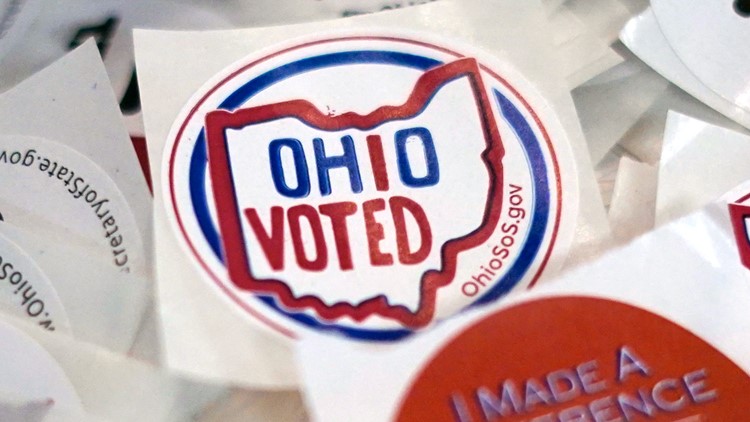
As the sun began to set on November 3, 2026, a palpable energy filled the air in Cleveland. Families gathered around kitchen tables, friends huddled in living rooms, and neighbors exchanged hopeful glances as the results of the midterm elections rolled in. The excitement was not just about political outcomes; it was about the future of their communities, the values they hold dear, and the dreams they aspire to achieve together.
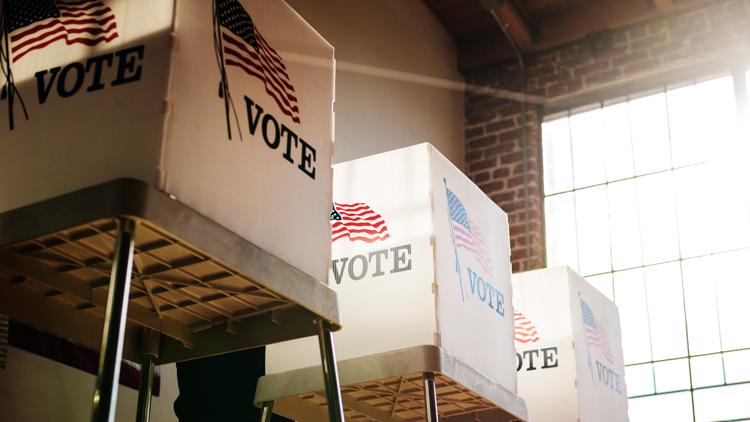
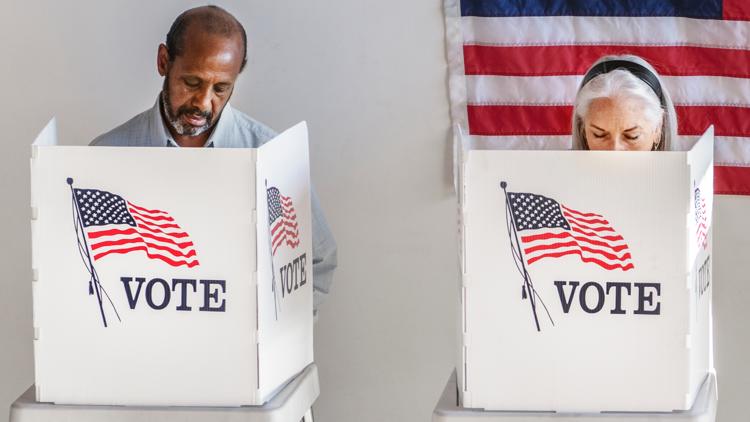
The Ohio midterm elections on November 3, 2026, marked a pivotal moment for the state, as voters cast their ballots on key races that could shape the political landscape for years to come. With precincts still reporting, early indications showed a strong turnout from across the state, reflecting a renewed commitment to civic engagement among Ohioans. The results, however, were still unfolding, with many races too close to call.
Among the crucial races was the contest for Governor, where Amy Acton (D) faced off against Vivek Ramaswamy (R) and Don Kissick (Lib). As of 1:07 PM, with 0% of precincts reporting, the race was still wide open, leaving voters on the edge of their seats. This election was not just about individuals; it was about the policies that would impact families, education, and the economy.
In the U.S. Senate race, incumbent Sherrod Brown (D) was challenged by Jon Husted (R), Greg Levy (Ind), and William Redpath (Lib). The Senate race was particularly significant, as control of the chamber could hinge on Ohio's decision. As reports trickled in, many were eager to see how their votes would influence the balance of power in Washington.
Beyond the high-profile gubernatorial and Senate races, Ohio voters were also faced with important local issues, such as Issue 3, which proposed requiring voter ID. This measure stirred debate among residents, with some advocating for increased security in the voting process, while others raised concerns about accessibility for underprivileged communities.
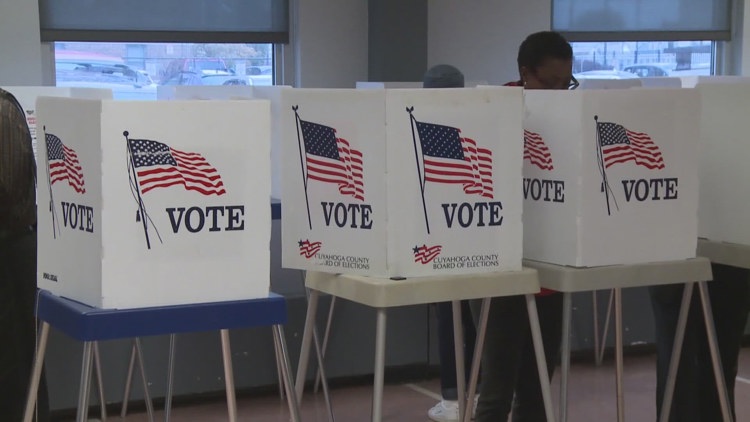
In Cuyahoga County, where Cleveland is located, the stakes were particularly high. Residents were not just voting for candidates; they were voting on issues that could directly impact their families and neighborhoods. Local school levies, such as the Cleveland Heights-University Heights school district's request for an $11.1 million levy, highlighted the ongoing conversation about funding for education and the importance of investing in the future of Ohio's children.
As the results began to filter in, the community's response was mixed, with some expressing hope and others voicing concerns about the direction the state might take. The community's desire for strong leadership was evident, as many residents emphasized the need for candidates who prioritize family values and community integrity.
The impact of these elections extends far beyond the ballot box. For many families in Cleveland, the outcomes will dictate not only political representation but also the resources allocated to education, healthcare, and public safety. Local leaders and organizations have been working tirelessly to engage voters and ensure that every voice is heard.
Grassroots organizations have played a significant role in mobilizing voters, particularly among young people and first-time voters. Initiatives aimed at educating residents about the voting process and the importance of civic engagement have fostered a sense of community. As one local leader aptly put it, "This election is about our families and our future. We must ensure that our children inherit a community that values their potential and invests in their dreams."
Moreover, the commitment to family and community was echoed in conversations across the city. Residents shared stories of how local policies affect their daily lives, from affordable housing to healthcare access. The elections served as a reminder that democracy is not just about politics; it is about the people and the relationships that bind them together.
As the results began to roll in, local residents gathered at community centers and coffee shops to discuss their hopes for the election outcomes. One resident, Maria Gonzalez, a mother of three, expressed her concerns about education funding, stating, "Our children deserve the best education possible, and that starts with proper funding. I hope the new leaders will prioritize our schools." Her sentiments were echoed by others in the room, who shared similar concerns about the future of education in Ohio.
Another resident, James Thompson, a retired factory worker, highlighted the importance of healthcare access, saying, "We need leaders who understand the struggles of working-class families. Healthcare should be a right, not a privilege. I’m counting on these elections to bring about change." Conversations like these illustrate how deeply intertwined the community’s needs are with the political landscape.
As the sun set on election day, the question lingered in the air: what does the future hold for Ohio? With results still pending, the focus now shifts to the implications of these elections for families and communities across the state. Leaders and advocates are preparing for the challenges ahead, regardless of the outcomes.
Regardless of which candidates emerge victorious, the hope is that they will prioritize policies that support families and foster community growth. Ohioans are looking for leaders who will champion education, healthcare, and economic opportunities that align with the values of strong marriages and intact families.
In the coming weeks, as the results are finalized and the dust settles, it will be crucial for community members to remain engaged. Whether through town hall meetings, community forums, or local advocacy groups, the conversation must continue. Ohioans have shown their determination to shape their future, and this election is just the beginning of a new chapter.
Local organizations are already planning events to discuss the election outcomes and their implications. Neighborhood watch groups, school boards, and civic organizations are expected to host discussions that will allow residents to voice their concerns and aspirations for the future. This ongoing dialogue is essential for holding elected officials accountable and ensuring that community needs remain at the forefront.
For those looking to stay informed and engaged, various resources are available. The Ohio Secretary of State's website offers comprehensive information on voting, including registration, polling locations, and upcoming elections. Additionally, local organizations such as the Cleveland Community Foundation provide resources for residents to connect with their local leaders and advocate for community issues.
Voter education is paramount, and initiatives by groups like The League of Women Voters aim to empower residents with the knowledge they need to make informed decisions. Engaging in discussions about local issues, attending community meetings, and advocating for family-centered policies can help ensure that the voices of Ohio families are heard.
As Ohio moves forward, the hope is that the spirit of community engagement will continue to thrive. Families, friends, and neighbors coming together to discuss their hopes and concerns can foster a more vibrant and connected community. The 2026 midterm elections may be over, but the journey toward a brighter future for Ohio is just beginning.
By Michelle Rivera
By Michelle Rivera
By Michelle Rivera
By Michelle Rivera